

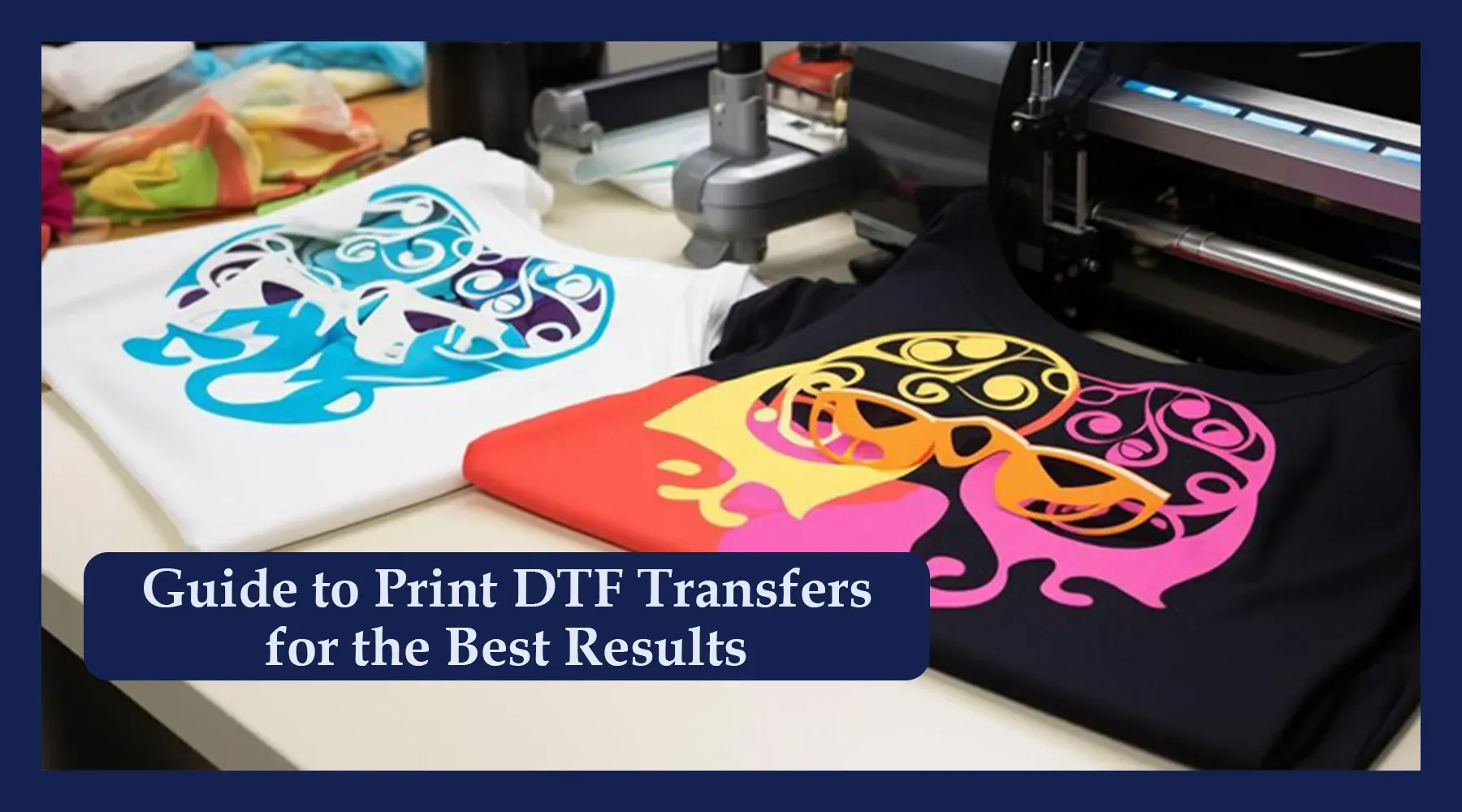
DTF transfers have emerged as a practical and popular way to decorate apparel and textiles, offering vibrant color, excellent coverage, and a soft-to-the-touch feel. Understanding the trade-offs among DTF transfers cost, color fidelity, and durability helps you plan smarter purchases for small runs or large campaigns. This quick introduction covers what DTF transfers are, what affects cost and quality, and how to choose DTF transfers to get reliable, long-lasting results. You’ll see how factors like white underbase, ink quality, film choice, and curing practices influence DTF printing quality across cotton, blends, and even dark fabrics. If you’re weighing DTF transfer vs heat transfer, this overview helps you compare methods, set expectations, and select options that maximize value.
As an alternative framing, think of the same process as direct-to-film printing or a film-on-fabric transfer, both describing a versatile textile decoration technology. In practice, the method involves printing onto a special film, applying a melting powder, and bonding the design to fabric with heat. This approach is well-suited for a range of fabrics and supports complex color work with less setup than traditional screen printing. When evaluating suppliers, focus on color accuracy, adhesion performance, wash durability, and DTF transfers durability to guide your buying decisions. By using alternative terms and related concepts, you align your content with search intent while preserving clarity for designers and print shops.
DTF transfers cost: understanding value, not just price
When you evaluate DTF transfers cost, the total investment goes beyond a sticker price. It’s helpful to break it into materials and consumables (ink, adhesive powder, transfer film), printer maintenance, and labor, since each component influences the per-transfer price. Quality inks and thicker film, while pricier, can improve color fidelity and resistance to cracking, which can reduce waste over many cycles.
In practice, small shops see per-transfer costs from a few cents to a few dollars depending on volume and the chosen quality tier. Considering total cost of ownership, you should weigh upfront setup against long-term savings from faster production, fewer color changes, and better durability. Volume discounts and supplier choices can dramatically change the math, especially for brands producing thousands of pieces.
DTF printing quality: factors that drive color fidelity and edge sharpness
DTF printing quality hinges on several key variables: the color gamut of the inks, white underbase strength on dark fabrics, and the print resolution that captures fine details without excessive ink consumption. The compatibility between film, adhesive, and powder also affects edge crispness and flex resistance, while curing determines how well the inks bond to the fabric.
To maximize DTF printing quality, work with reliable suppliers, run test swatches, and validate colors on representative garment colors and lighting conditions. Quality is not only about the initial look; it’s about how faithful the print remains after washing and wear. Calibrating settings for your fabric type helps maintain color fidelity and edge definition across lots.
DTF transfers durability: longevity under wear and washing
Durability is a core consideration for apparel, workwear, and sportswear. DTF transfers durability depends on wash care, detergents, fabric substrate, and how well the transfer was cured. Proper curing creates a strong bond between ink, adhesive, and fabric, while aggressive washing or hot water can accelerate wear.
Industry tests and user reports often show that well-produced DTF transfers endure many machine washes with minimal fading, especially when care instructions are followed. For high-use areas, durability can be further improved by choosing higher-quality inks, films, and curing processes, and by communicating clear washing guidelines to customers for best results.
How to choose DTF transfers: a practical buyer’s guide
If you’re shopping for DTF transfers, start with a structured framework: define your use case, request swatches on representative fabrics, and compare per-unit cost alongside lead times and shipping. Evaluating durability performance through wash tests and color retention data helps forecast long-term value.
Review vendor reliability by looking for consistent product quality, clear warranty terms, responsive support, and transparency about ingredients (inks, films, and safety). Consider the long-term total cost, because a lower upfront price may increase replacements or returns if durability or color fidelity suffers.
DTF transfer vs heat transfer: comparing methods for decision making
DTF transfer and heat transfer each have distinct strengths. DTF transfers offer smoother color transitions, multi-color designs, and easier production for varying garment colors, while maintaining reliable wash durability with proper curing.
DTF transfer vs heat transfer becomes a decision about run size, complexity, and color count. For large runs with detailed artwork, DTF can be more scalable and cost-effective due to lower setup costs, whereas heat transfer may be attractive for simple designs or very small batches. Weigh these trade-offs against your budget and desired finish to choose the best method for your project.
Frequently Asked Questions
What factors influence DTF transfers cost and how can I manage it?
DTF transfers cost is driven by materials (ink, film, adhesive powder), printer and maintenance, design complexity and color count, film size and fabric compatibility, labor, curing, and supplier terms. To manage costs, compare reputable suppliers, request swatches, and consider long-term value over upfront price. In practice, per-transfer costs can range from a few cents to a few dollars depending on volume and quality, so optimize workflows and batch production to lower unit costs.
What factors affect DTF printing quality and how does that relate to durability?
DTF printing quality is shaped by white underbase strength, color gamut, print resolution, film/adhesive compatibility, and proper curing. Higher quality inks and films improve color fidelity and edge sharpness, which in turn supports better durability. Validate colors on representative fabrics and run test prints to ensure consistency after washing, and ensure proper curing to maximize long-term wear resistance.
How durable are DTF transfers and how can I maximize DTF transfers durability?
DTF transfers durability depends on wash conditions, fabric substrate, transfer quality, and curing. Following care guidelines (cold wash, inside-out, gentle detergents) helps longevity. Well-made transfers can endure many machine washes with minimal fading, though results vary by color and fabric. To maximize durability, invest in quality ink, film, and curing, and test wear areas for high-stress zones.
How to choose DTF transfers for a project?
Start by defining your use case and fabric types, then request swatches and test prints on representative garments. Compare per-unit costs, lead times, and minimum orders, and ask for durability data and care recommendations. Review supplier reliability, warranty terms, and transparency about ingredients. Finally, weigh long-term total cost and potential color fidelity across garments.
DTF transfer vs heat transfer: which method is better for your design and budget?
DTF transfer vs heat transfer shows clear trade-offs: DTF transfers handle complex, multi-color artwork across different garment colors and typically offer lower setup costs for small runs. HTV can be excellent for simple, durable designs but requires cutting and layering for each color. For large, color-rich designs or varied fabrics, DTF is usually more cost-effective and versatile; for simple, fast-turn projects, HTV can be competitive.
| Aspect | Key Points | Notes |
|---|---|---|
| What are DTF transfers? | Direct-to-Film printing: image is printed on film with water-based inks, coated with polymer powder, then fused to fabric with a heat press; works on cotton, polyester blends, and dark textiles with a white underbase; yields a vivid, soft-feeling print with broad fabric compatibility. | Offers color fidelity, versatility, and user-friendly setup for brands and hobbyists. |
| Cost factors behind DTF transfers | Materials/consumables, printer & maintenance, design complexity/color count, film size/substrate compatibility, labor/workflow, curing/equipment, volume discounts. | Quality inks/film cost but improved fidelity and durability; per-transfer costs vary from a few cents to a few dollars depending on scale and quality tier. |
| Quality and color fidelity | White underbase/opacity for dark fabrics; wide color gamut; high print resolution; film/adhesive compatibility; proper curing. | Test swatches and validate colors under usual garment colors and lighting; consistent batch-to-batch quality matters for multi-color designs. |
| Durability | Wash care/detergent effects; fabric substrate differences; transfer curing quality; zones of heavy wear on garments. | Well-made transfers can endure dozens of machine washes when care instructions are followed; durability varies with color choice, fabric, and wash conditions. |
| Choosing the right transfers: buyer’s guide | Define use case; request swatches; compare cost per unit and lead times; check durability; review vendor reliability; consider long-term total cost. | Structured evaluation reduces missteps and helps align quality with price over time. |
| DTF transfers vs other decoration methods | Compared to DTG, screen printing, and HTV: DTG offers high detail but costly for large runs; screen printing is durable for large runs but less flexible; HTV is durable but requires cutting/layering; DTF offers scalability and easier color changes. | Choose method based on production scale, color complexity, and garment variety. |
| Practical tips to maximize durability | Invest in quality inks, film, and adhesive powders; calibrate heat press (temp, time, pressure); cure adequately; prep fabrics; follow care instructions; test wear areas. | Regular testing helps maintain color fidelity and adhesion over time; adjust care guidelines for customers. |
Summary
DTF transfers offer a compelling blend of cost flexibility, quality, and durability for small to mid-sized print runs and color-rich designs. By understanding the cost drivers, focusing on quality control, and setting clear expectations for durability, you can maximize the value of DTF transfers for your brand or project. When evaluating vendors, use a structured approach that weighs per-unit cost against long-term durability and color fidelity. With careful selection and proper care, DTF transfers can deliver vibrant, durable results that stand up to regular wear and washing, while retaining a sharp, true-to-life print that customers love.