

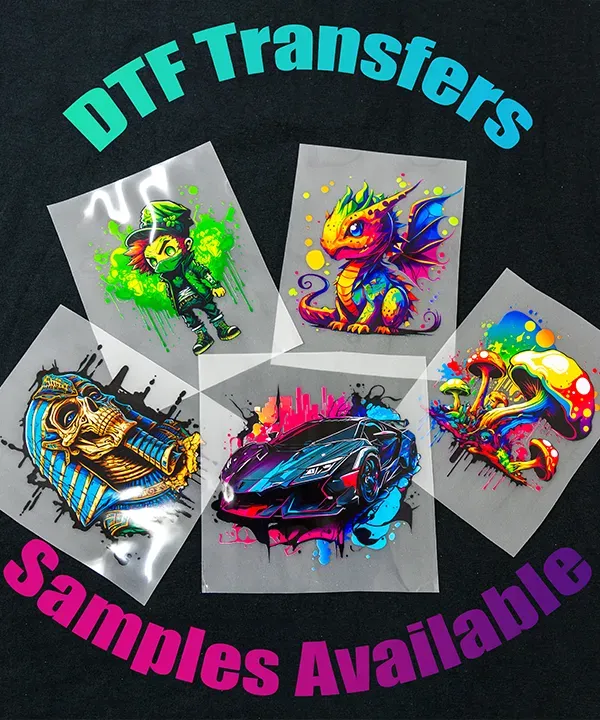
DTF transfers unlock vibrant artwork on fabric, giving designers a flexible option for decorating apparel. DTF transfers for apparel offer bright color, a soft hand feel, and durable adhesion, driven by direct-to-film printing technology. Compared with traditional screen printing or vinyl heat transfers, this method provides greater design flexibility, economical production for small runs, and the ability to reproduce complex color gradients. In this concise introduction, you’ll discover practical tips and insights that help you navigate the DTF workflow and stay on the path toward professional results. You’ll also see DTF transfer troubleshooting tips to help you anticipate issues before you press.
Beyond the brand name, this approach is a form of film-based garment decoration that uses a transfer film to convey artwork onto fabric. Often described as a print-on-film workflow, it leverages a PET carrier, heat, and adhesive powders to produce durable, color-rich results. In LSI terms, you’ll encounter related concepts such as direct-to-film printing, the DTF workflow, and on-demand apparel decoration, which all point to the same essential process. If you want to know how to apply DTF transfers, these steps cover preparation, placement, and finishing to help you achieve crisp edges and durable wear. Understanding DTF transfer troubleshooting and best practices for this method will further empower your design and production decisions.
Understanding DTF Transfers for Apparel: A Modern Decorating Solution
DTF transfers for apparel have redefined how designers place artwork on fabric. As a form of direct-to-film printing, these transfers involve printing the design onto a PET film, adding adhesive powder, curing, and pressing onto the garment to deliver vibrant color and a soft hand feel. Compared with traditional methods, DTF transfers for apparel offer greater flexibility for multi-color designs and can be produced with lower minimums, making them ideal for small runs and on-demand pieces.
Because the technique uses direct-to-film printing, you can reproduce complex color gradients, subtle halftones, and intricate textures with consistent results across cotton, blends, and even some synthetics. The durability hinges on proper curing, powder distribution, and correct heat press parameters, all of which contribute to strong adhesion that lasts through multiple washes.
The Direct-to-Film Printing Process: From Design to Transfer
At a high level, the workflow starts with a design prepared for DTF transfers, with color layers separated and exported as PNGs. In direct-to-film printing, printers lay down vibrant inks on PET film, often employing a white underbase on dark fabrics to ensure brightness.
Next comes powdering and curing, aligning the film with the garment, and applying a properly heated press. The result is a transferable image that stretches with fabric and withstands washing when the steps are followed.
How to Apply DTF Transfers: Step-by-Step and Best Practices
If you’re searching for how to apply DTF transfers, start with clean, pre-pressed garments, align precisely, and follow the recommended press time and temperature for your film. The exact steps include pre-press, place the transfer face-down, then apply heat with the correct pressure.
In addition, the best practices for DTF transfers emphasize test pieces, maintaining a consistent environment, and documenting your settings to reproduce results. Use a white underbase when needed, select high-quality powders and films, and avoid overloading the transfer with ink or powder to preserve color accuracy.
DTF Transfer Troubleshooting: Common Issues and Quick Fixes
Even with a solid process, issues such as color shifts, powder shedding, or edges curling can occur. This is where focused DTF transfer troubleshooting helps—start by checking printer calibration, color profiles, film compatibility, and whether the curing step was complete.
If the transfer doesn’t adhere or edges lift, review pre-press conditions, ensure even pressure, and confirm the transfer was fully covered during pressing. For wash performance, verify cure times and temperatures and test across fabric types.
Post-Press Care and Durability: Extending the Life of DTF Transfers
Once applied, post-press care determines wash life. Turn garments inside out, use cold cycles initially, and air dry when possible to minimize abrasion on the transfer surface—critical for maintaining the brightness of DTF transfers for apparel.
Documenting your results and conducting ongoing testing across fabrics helps you scale production while preserving color vibrancy and adhesion. With careful post-press care and consistent testing, you can maximize the longevity of direct-to-film transfers across a wide range of garments.
Frequently Asked Questions
What are DTF transfers for apparel and what makes them appealing to designers?
DTF transfers for apparel are prints produced with direct-to-film printing on a PET film, then transferred to fabric with an adhesive powder and heat. They offer bright color, a soft hand feel, and durable adhesion across many fabrics, with cost efficiency for small runs and strong support for complex color gradients compared to traditional screen printing or vinyl transfers.
How to apply DTF transfers on garments with direct-to-film printing?
Start with a clean, wrinkle-free garment and pre-press to remove moisture. Align the transfer and print with your standard DTF workflow, using a white underbase on dark fabrics when needed. Press at around 160°C (320°F) for 12–15 seconds with medium to firm pressure, then follow the recommended peel method (warm, hot, or cold) per your film. Allow to cool and perform a short second press if advised, then test wash durability.
What are best practices for DTF transfers to ensure consistent results?
Use high-quality DTF films and powders, maintain clean equipment, and run test prints for every new batch or fabric. Manage color with ICC profiles and proofing to ensure on-screen colors translate to the final transfer. Document every setting, monitor curing times and temperatures, and keep a consistent heat-press process to achieve reproducible results across garments.
What are common DTF transfer troubleshooting steps to fix issues like color shifts or edge lifting?
Common issues include color shifts, powder shedding, edges that don’t adhere, and ghosting on dark fabrics. Fix them by checking printer calibration and color profiles, ensuring complete and proper curing, applying an even coat of adhesive powder, ensuring full coverage during pressing, and using the recommended peel method. Conduct small test pieces when adjusting variables and consider a brief re-press if edges lift.
How can I plan DTF transfers for apparel to maximize design quality and production efficiency?
Begin with a clear concept and high-resolution artwork, and design with DTF transfers in mind (layers, transparency, and color separations). Use PNGs with transparent backgrounds, consider a white underbase for dark fabrics, and test on each fabric type. Choose appropriate film and powder, document settings, and build a reproducible workflow to support on-demand production and scalable design output for apparel projects.
| Aspect | Key Points |
|---|---|
| What are DTF transfers? | Printed films that carry artwork and are transferred to fabric via heat. Use PET film with water-based or solvent-based ink, bonding powder, curing. Result is a vivid, durable image that can stretch with fabric and withstand washing. Offers streamlined workflow, simpler setup for multi-color designs, on-demand production, and reduced lead times. |
| DTF transfers and apparel benefits | More design flexibility; cost-effective for small runs; easier reproduction of complex color gradients; simpler setup for multi-color designs; on-demand production; shorter lead times; suitable across many fabrics. |
| Step-by-step overview | Overview of steps from planning and design to printing, powdering and curing, garment preparation, heat pressing, peeling and setting, post-press care, and troubleshooting. |
| Troubleshooting and best practices | Common issues include color shifts, powder shedding, edges not adhering, and ghosting on dark fabrics. Solutions involve proper color management, complete curing, even powder distribution, pre-press quality, test prints, and keeping equipment clean. Document settings to enable replication. |
| DTF transfer quick tips | – Washed-out colors: verify printer color calibration and white underbase when needed; – Adhesion issues: re-check curing times and temperatures; – Curling: ensure even pressure and remove air pockets; – Film peels in wash: ensure proper curing and use appropriate wash temps. |
Summary
DTF transfers are a versatile method for decorating fabrics with vivid, durable imagery. By printing artwork on PET film, applying a bonding powder, curing, and then using a heat press, you can reproduce complex colors with a soft hand feel across many fabrics. This guide highlights a practical workflow—from concept to finished garment—including design considerations, powdering and curing, precise heat-press settings, and post-press care to ensure wash durability. For designers and small businesses, DTF transfers offer design flexibility, reduced setup for small runs, and on-demand production with consistent results. With attention to color management, film quality, proper curing, and careful testing, you can achieve professional, long-lasting results that showcase the full potential of DTF transfers.