

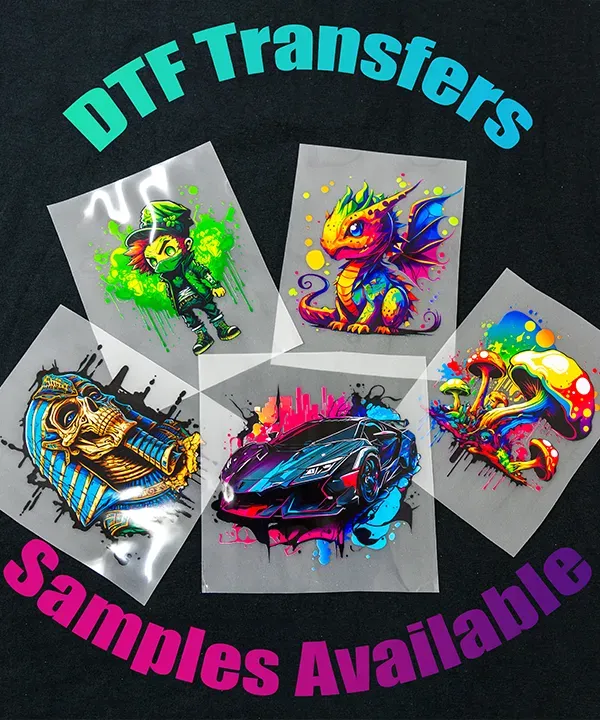
DTF transfers have surged in popularity for garment customization, offering vibrant, durable prints on a wide range of fabrics. Direct-to-film printing combines digital design flexibility with the durability of heat-pressed transfers, opening up new possibilities for small shops and hobbyists. If you’re new to this method or looking to improve your results, this guide covers choosing materials and achieving crisp, lasting prints. The step-by-step approach emphasizes practical skills, from surface prep to proper curing, so you can build confidence quickly. With reliable workflows and tested techniques, you’ll approach each project with consistency and professional results.
Beyond the exact terminology, you can think of this as a film-based garment decoration technique that layers ink onto a carrier, then bonds it to fabric with heat. For many designers, the key is mastering the DTF transfer application, from selecting the right film to curing the adhesive powder properly. If you’re new to the process or evaluating methods, learning the fundamentals helps you predict outcomes and avoid misprints. This guide also covers practical steps, such as preparation, alignment, and post-press care, while noting how to optimize heat and pressure for different fabrics. Finally, pay close attention to heat-press settings for DTF, as small changes in temperature, pressure, and dwell time can dramatically affect adhesion and durability.
DTF Transfers Essentials: What Direct-to-Film Printing Means for Garment Customization
Direct-to-film printing (DTF) transfers are a modern method that enables vibrant, durable designs on a wide range of fabrics. With DTF transfers, you print the design on PET film, apply adhesive powder, cure it, and transfer the image using a heat press. Understanding direct-to-film printing helps designers and small shops scale production while maintaining high color fidelity and a soft hand feel.
DTF transfers offer flexibility from single designs to small runs without the setup costs of screen printing. They work on cotton, blends, and even polyester, and can be used on dark fabrics with appropriate white underbase. If you’re new to this workflow, exploring a short DTF transfer tutorial or learning how to apply DTF transfers will save you time and reduce waste.
Keep in mind that success hinges on fabric prep, correct powder curing, and precise heat application. This subtopic introduces materials, prep steps, and validation on test garments to ensure consistent, professional outcomes.
Mastering DTF Transfer Application: From Design to Finished Print
This section outlines the end-to-end workflow, from file to garment. Start with a high-resolution design, print with direct-to-film printing, then brush on adhesive powder and cure accurately. The DTF transfer application sequence relies on even powder coverage and proper curing to create a strong bond during transfer.
Align the transfer on a clean, prepressed garment and press with the recommended heat, time, and pressure. For those seeking a deeper dive, a DTF transfer tutorial will cover registration, masking, and post-press curing to lock in durability.
After curing, follow with a post-press cure and proper garment cooling to ensure the adhesive sets correctly. This workflow supports reliable, repeatable results across multiple orders.
Choosing Materials and Equipment for Reliable DTF Transfers
Selecting the right printer, film, and adhesive powder is critical for color fidelity and bond strength. You’ll want film designed specifically for DTF, powdered adhesive that matches your film, and a heat press capable of stable temperature and even pressure.
Consider fabrics you’ll print on—cotton, blends, and poly blends each respond differently. Prewash and dry fabrics, then protect the surface with silicone paper or Teflon sheets to avoid scorching during transfer. Pair heat-press settings with the film guidelines for best results.
Keep a simple test library: print small samples on similar fabric to your production runs and document the temperature, time, pressure, and film/ink combinations. This is a core part of a reliable DTF transfer tutorial and essential for scaling from one-offs to batches.
Optimizing Heat-Press Settings for DTF: Temperature, Time, and Pressure
Most DTF transfers respond best to heat-press settings for DTF, with temperatures around 320–350°F (160–180°C), solid pressure, and a dwell time of 12–20 seconds. Always follow your film’s instructions, since numbers vary by adhesive and printer.
Avoid common mistakes like uneven pressure or too short a dwell time, which can cause hotspots, gloss, or poor adhesion. For dark fabrics, ensure a white underbase is properly prepared and that moisture is removed with a prepress step before applying the transfer.
Conduct a small test run on a fabric swatch before committing to a full shirt run. Document the results to refine your heat-press settings for DTF and create a repeatable workflow you can rely on for multiple orders.
Care, Longevity, and Troubleshooting of DTF Transfers
Once cured, DTF transfers can withstand multiple washes when cared for properly. Provide care instructions to end users, such as turning garments inside out and avoiding high-heat dryers that could degrade the print.
If colors fade or adhesion weakens, revisit the cure step and verify adhesive powder coverage and film compatibility. Misregistration, cracking, or lifting can be mitigated by stable prepress, precise alignment, and consistent heat and pressure.
Keep refining your process with ongoing notes and a practical DTF transfer tutorial reference that covers common issues and fixes. With careful care and routine checks, you’ll maintain professional results from project to project.
Frequently Asked Questions
What is direct-to-film printing and how do DTF transfers work on fabrics?
Direct-to-film printing prints your design onto a PET film, then adhesive powder is applied and cured before the image is transferred to fabric with a heat press. DTF transfers offer high color fidelity and durability and work on cotton, blends, polyester, and even dark fabrics when the film and inks are chosen for opacity.
DTF transfer application steps: from design to finished print
DTF transfer application steps include: design and print, apply and cure adhesive powder, prep the garment, align the transfer, press at the recommended temperature and time, follow the peel instructions (warm or cold), then perform post-press curing and a wash test to verify durability.
What are the heat-press settings for DTF transfers, and how do they vary by fabric?
Typical heat-press settings for DTF transfers are 320–350°F (160–180°C) with firm, even pressure for 12–20 seconds. Dark fabrics may require a white underbase and fabric-specific guidelines. Always follow the film maker instructions and test on similar fabric first.
Where can I find a DTF transfer tutorial and what does it cover?
A DTF transfer tutorial provides a step-by-step guide from selecting materials to final care, covering printing, powder application, curing, pressing, and post-care. It often includes practice on test garments to help you achieve consistent results.
What are common issues with DTF transfers and how do I troubleshoot them?
Common issues include fading colors, poor adhesion, bleeding or misregistration, cracking, and uneven surfaces. Troubleshoot by checking printer inks and film compatibility, ensuring proper curing and powder coverage, rechecking alignment, testing on similar fabrics, and following care instructions to protect the print.
| Aspect | Key Points |
|---|---|
| What are DTF transfers | Direct-to-film printing that prints onto PET film, uses adhesive powder, and transfers to fabric; works on cotton, blends, polyester, and can be used on dark fabrics with white underbase or dark-film options. |
| Core advantages | High color fidelity and wide color gamut; strong adhesion and wash durability when cured; scalable for small runs or large batches; compatible with many fabrics. |
| Supported fabrics | 100% cotton, cotton blends, poly blends; dark fabrics require white underbase or film designed for opacity. |
| Materials and tools | DTF printer or service, DTF films, adhesive powder, curing method, heat press, silicone/Teflon protection, quality fabrics, lint roller and isopropyl alcohol. |
| Fabric prep notes | Prewash and dry fabrics, clean surface, remove fibers, prepress to remove moisture, use a smooth surface and protective sheet. |
| Step-by-step workflow | Design print, apply adhesive powder and cure, prep garment, align transfer, heat and press with correct time/temperature, peel and cool, post-press cure, wash test and care. |
| Care and durability | Post-cure pressing, provide care instructions, wash test for durability, turn garments inside out, avoid harsh chemicals. |
| Troubleshooting | Fading colors: verify ink/film and curing; poor adhesion: ensure enough powder and proper cooling; misregistration: recheck alignment; cracking: adjust film elasticity and prepress; uneven surface: ensure flat, clean pressing surface. |
| Advanced tips | Glossy finishes with gloss coatings; white underbase on dark fabrics; test on stretch fabrics; batch processing for consistent quality in small businesses. |
| FAQs snapshot | Can be used on synthetic fabrics; dedicated heat press recommended for consistency; longevity depends on curing and care. |
Summary
DTF transfers offer a powerful, versatile solution for personalized apparel. By understanding the fundamentals of direct-to-film printing, mastering the transfer application process, and dialing in heat-press settings for DTF, you can achieve flawless results across a wide range of fabrics. Prep carefully, test settings, and follow a structured workflow from printing to curing and post-care. With practice, your ability to apply DTF transfers will become second nature, enabling you to produce high-quality, durable designs that stand up to wear and washing.